


1. Transporting corrosive media
When seamless steel pipes are used to transport oil, natural gas, chemical raw materials (such as acids, alkalis, and salt solutions), wastewater or waste residue from coal chemical processes, or fluids containing corrosive components such as hydrogen sulfide and carbon dioxide, the inner wall must be treated with an anti-corrosion coating to prevent chemical corrosion from causing thinning of the pipe wall, leakage, or even bursting.
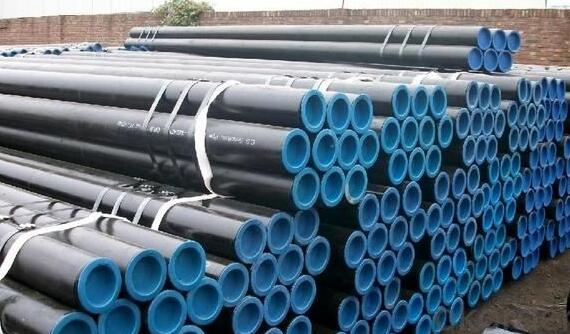
2. Use in humid, salt spray, or industrially polluted environments
Even if the transported medium itself is not highly corrosive, if the pipeline is exposed to high humidity, coastal salt spray, industrial atmospheric pollution, or soil corrosion environments, the outer wall also needs an anti-corrosion coating (such as 3PE, epoxy powder, etc.) to isolate moisture and oxygen and prevent electrochemical corrosion.
3. Applications requiring high cleanliness or low flow resistance
In food, pharmaceutical, ultrapure water, or natural gas transportation systems, inner wall coatings (such as epoxy resin and polyurethane) not only provide corrosion protection but also smooth the inner wall, reducing fluid resistance, improving transportation efficiency, and preventing media contamination by pipeline corrosion products.
4. Long-distance, high-pressure, or critical infrastructure transportation
In critical projects such as oil and natural gas trunk pipelines, urban gas pipeline networks, and heat transmission pipeline networks, seamless steel pipes commonly employ high-performance anti-corrosion coatings (such as three-layer polyethylene 3PE and TPEP) to ensure long-term safe and stable operation and address risks such as geological changes and insufficient cathodic protection.
5. Special industrial environments such as underground coal mines and thermal power plants
In underground coal mine water supply and drainage, gas extraction, and fire sprinkler networks, as well as in thermal power plant process water and waste residue return water transportation systems, seamless anti-corrosion steel pipes have become the standard choice due to their excellent corrosion resistance and long service life, reducing maintenance frequency and leakage risks.
In summary, whenever carbon seamless steel pipes are used in environments with risks of chemical corrosion, electrochemical corrosion, or abrasion, a suitable coating anti-corrosion solution should be selected for both the inner and outer walls, based on the characteristics of the medium and the operating conditions.
