


Quick Answer: HS heading 7304 is the main classification entry for seamless pipes, pipes and hollow profiles of iron or steel (other than cast iron). The exact six-digit subheading depends on the material, product use and finishing method, and the full import code depends on the destination country’s tariff. Check the official tariff of the importing country before customs declaration.
The Harmonized System (HS) is the international goods classification maintained by the World Customs Organization. Its first six digits are used by most customs administrations worldwide, and countries add further digits for their own tariffs and statistics. For seamless steel pipe, the HS code (also called the customs code) is the starting point for import classification.
Heading 7304: Tubes, pipes and hollow profiles, seamless, of iron (other than cast iron) or steel.
The subheadings below follow the HS 2022 six-digit structure. National tariffs add further digits; see “Does the HS Code Differ by Country?” below.
|
Category |
HS code (6-digit) |
Description |
|
Carbon and non-alloy steel (general-purpose tubes) |
7304.31 |
Circular cross-section, of iron or non-alloy steel, cold-drawn or cold-rolled |
|
|
7304.39 |
Circular cross-section, of iron or non-alloy steel, other (not cold-drawn or cold-rolled) |
|
Stainless steel (general-purpose tubes) |
7304.41 |
Circular cross-section, of stainless steel, cold-drawn or cold-rolled |
|
|
7304.49 |
Circular cross-section, of stainless steel, other |
|
Other alloy steel (general-purpose tubes) |
7304.51 |
Circular cross-section, of other alloy steel, cold-drawn or cold-rolled |
|
|
7304.59 |
Circular cross-section, of other alloy steel, other |
|
Line pipe for oil or gas pipelines |
7304.11 |
Line pipe, of stainless steel |
|
|
7304.19 |
Line pipe, other than of stainless steel |
|
Casing and tubing for oil or gas drilling |
7304.24 |
Casing and tubing, of stainless steel |
|
|
7304.29 |
Casing and tubing, other than of stainless steel |
|
Drill pipe for oil or gas drilling |
7304.22 |
Drill pipe, of stainless steel |
|
|
7304.23 |
Drill pipe, other than of stainless steel |
|
Other seamless products |
7304.90 |
Other seamless tubes, pipes and hollow profiles of iron or steel |
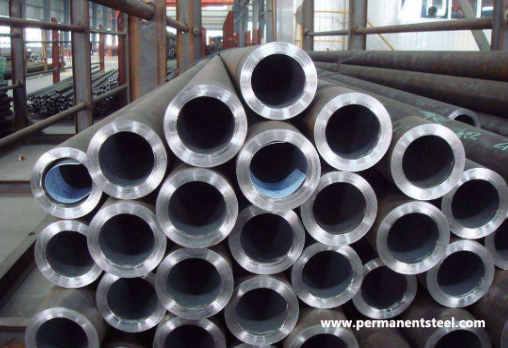
Seamless carbon steel pipe is usually classified under the non-alloy subheadings (7304.31 or 7304.39) when it is a general-purpose tube. Whether a steel counts as non-alloy or alloy follows the composition limits in the HS Chapter 72 notes, so check the chemical composition on the mill test certificate. Oil and gas line pipe, casing, tubing and drill pipe have their own subheadings.
Confirm the material. Identify whether the pipe is carbon (non-alloy), stainless or other alloy steel. The chemical composition on the mill test certificate helps confirm this.
Confirm the use and product type. Decide whether it is a general-purpose tube, oil and gas line pipe, oil and gas casing and tubing, or oil and gas drill pipe.
Confirm the processing method. Check that the pipe is seamless. For general-purpose tubes, note whether it is cold-drawn or cold-rolled, or finished by other methods.
Check size and specification. The six-digit subheadings above are not defined by size, but national tariff lines may split by outside diameter, wall thickness or other features.
Check the destination country’s official tariff, then ask your customs broker to confirm the full code before shipment.
Yes, beyond the sixth digit. The first six digits follow the international HS and are the same for countries applying the same HS edition. Each country or region then adds its own digits for national duty lines and statistics, so the full code, description and duty rate can differ.
For example, the United States tariff divides 7304.31 into national lines such as 7304.31.30 and 7304.31.60, while India divides it into lines such as 73043111, so the same six-digit subheading has a different full code in each country.
Requirements vary by country, but these documents are commonly requested:
Commercial invoice: product description, material grade, quantity and value, and the HS code if declared.
Packing list: pieces or bundles, weights and dimensions.
Bill of lading (or air waybill): the transport document for the shipment.
Mill test certificate (MTC): chemical composition and mechanical test results for the supplied heat. The certificate type, such as EN 10204 3.1, is normally set in the purchase order.
Certificate of origin: when required by the importer or to claim preferential duty.
Other documents: import licences or inspection certificates if the destination country requires them.
Keep the pipe description, grade and HS code consistent across all documents, since mismatches can lead to customs queries.
Seamless steel pipe is generally classified under HS heading 7304. For general-purpose tubes, carbon (non-alloy) steel falls under 7304.31 (cold-drawn or cold-rolled) or 7304.39 (other). Line pipe, casing, tubing and drill pipe for oil and gas have separate subheadings. The importing country’s tariff determines the full code.
No. Seamless carbon steel and stainless steel pipe both fall under heading 7304, but general-purpose tubes are classified in different subheadings: 7304.31 and 7304.39 for non-alloy steel, 7304.41 and 7304.49 for stainless steel. Other alloy steel tubes have their own subheadings, 7304.51 and 7304.59. Confirm the grade against the mill test certificate.
Start with the six-digit subheading that matches your pipe’s material, use and finishing method. Then look up that subheading in the official tariff of the importing country, where national lines may add further digits. Give your customs broker the grade, dimensions, process and end use, and ask them to confirm the code before shipment.
There is no single rate. Duty depends on the importing country’s tariff line, origin, and any trade agreement or trade remedy measures in force. Look up your destination tariff for the current rate, or ask your customs broker, using the full national code rather than the six-digit code alone.
Go here if you are looking for the
