


There are many materials and types of steel pipes on the market today, and carbon steel pipes and galvanized steel pipes are two of the more common ones. So, what are the differences between carbon steel pipes and galvanized steel pipes?
Carbon Steel Pipe Features :
Material: Alloy mainly composed of carbon and iron, with appropriate amounts of other impurities.
Production Process: Mature and simple, made by perforating steel ingots or solid round steel into capillary tubes, followed by hot rolling, cold rolling or cold drawing.
Mechanical Performance: High mechanical strength, good pressure-bearing capacity, and excellent processability.
Corrosion Resistance: Relatively weak; prone to oxidation and corrosion without surface treatment.
Service Life: Limited in humid or corrosive environments due to poor corrosion resistance.
Cost-Effectiveness: High, suitable for large-scale engineering applications with no high corrosion resistance requirements.
Application Adaptability: Widely used in high-pressure scenarios, such as fluid/gas transmission.
Galvanized Steel Pipe Features:
Base Material: Takes carbon steel, stainless steel and other metal pipes as the base material.
Production Process: Based on the base pipe, with surface galvanizing treatment (hot-dip galvanizing or electroplating); needs to pass the galvanized layer balance test before leaving the factory.
Corrosion Resistance: Excellent, with strong rust resistance, effectively extending service life in humid and corrosive environments.
Surface Performance: The zinc layer improves the wear resistance and aesthetics of the pipe.
Mechanical Strength: Slightly lower than carbon steel pipes, due to the surface zinc layer.
Application Adaptability: Suitable for low-pressure scenarios with high corrosion resistance requirements.
Quality Requirement: Strict quality control for the galvanized layer to ensure uniformity and firmness.
Galvanized steel pipes use hot-dip galvanizing. The galvanized steel pipe should be tested for the balance of the galvanized layer.
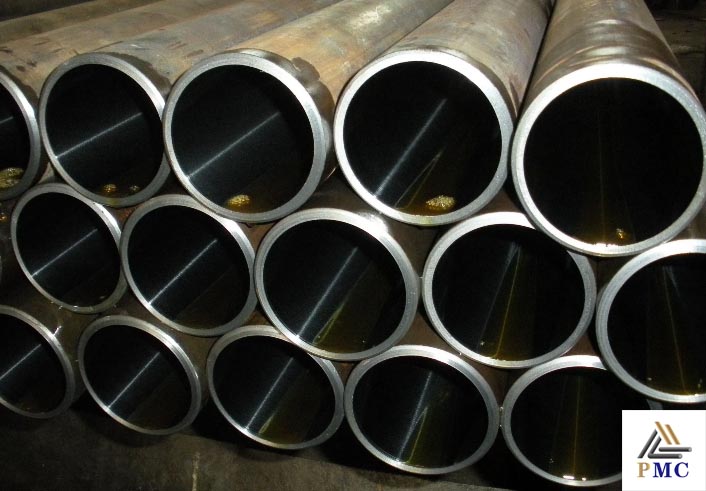
To sum up, the difference between carbon steel pipe and galvanized steel pipe lies in the manufacturing process, material, surface treatment and performance characteristics. When selecting a pipeline, it is necessary to comprehensively consider the specific usage scenarios and required performance characteristics.
Q1: What is carbon steel pipe?
A1: A pipe made mainly of carbon and iron, with high strength, good pressure resistance but weak corrosion resistance.
Q2: What is galvanized steel pipe?
A2: A base steel pipe coated with zinc, offering excellent corrosion resistance but lower strength.
Q3: How are they different in production?
A3: Carbon steel pipe uses hot/cold rolling; galvanized pipe adds hot dip or electro galvanizing.
Q4: Which is stronger?
A4: Carbon steel pipe has higher strength and better pressure resistance.
Q5: Which is more corrosion resistant?
A5: Galvanized steel pipe, ideal for humid or corrosive environments.
Q6: Where is carbon steel pipe used?
A6: High pressure fluid/gas lines, oilfields, industrial pipelines.
Q7: Where is galvanized steel pipe used?
A7: Water supply, petrochemical, marine, and damp area applications.
Go here to learn more about " Black Steel Pipe vs Carbon Steel Pipe"
Permanent Steel Manufacturing Co.,Ltd (PMC) is a professional and experienced supplier of seamless steel pipes with rich industry experience, strict quality control and complete international certifications. We provide high-quality products and professional services for global customers. For any inquiries or cooperation, please feel free to contact us.
