


Pipeline Material Selection:
Long-distance steam transmission pipelines have strict material requirements. First, considering the high-temperature characteristics of steam, the pipeline material needs to have excellent high-temperature resistance. Commonly used high-temperature resistant materials include high-quality carbon steel, alloy steel, and stainless steel. These materials maintain good mechanical properties and corrosion resistance at high temperatures, ensuring the durability of the steam pipeline.
Furthermore, the wall thickness of the material is also an important selection factor. To withstand the pressure and temperature fluctuations of steam, the pipeline must have sufficient strength and stability. This usually means selecting steel pipes with appropriate wall thicknesses to ensure that the pipeline will not deform or break during long-term use.
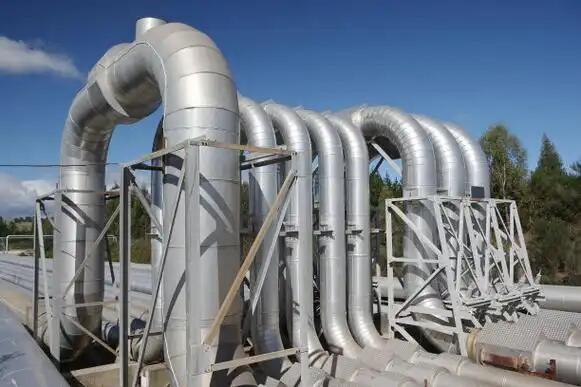
Pipeline Design and Layout:
The design of long-distance steam transmission pipelines needs to fully consider the characteristics of steam and energy losses during transmission. To reduce heat and pressure losses, the pipeline should be designed with a reasonable diameter and wall thickness, and the use of elbows, valves, and other fittings should be optimized. At the same time, the pipeline's support and fixing devices need to be rationally laid out to reduce the impact of vibration and thermal stress on the pipeline.
Pipeline Construction and Installation:
During construction, relevant safety regulations and construction specifications must be strictly followed. The connection method, weld quality, and pressure testing are all key aspects that require close attention during construction. Furthermore, to prevent steam condensation during pipeline transportation, steam traps and vent valves must be properly installed to ensure steam dryness and transportation efficiency.
Pipeline Operation and Maintenance:
Long-distance steam transmission pipelines require regular inspection and maintenance during operation. This includes checking the integrity of the pipeline, the working condition of valves and fittings, and the performance of steam traps. Simultaneously, to reduce energy consumption and improve energy efficiency, regular cleaning and descaling of the pipeline are necessary to remove impurities and deposits.
Safety and Protective Measures:
Safety is always the primary consideration during long-distance steam transportation. Therefore, effective measures must be taken to prevent dangerous situations such as steam leaks and explosions. Simultaneously, professional training and guidance are necessary for operators and managers to improve their safety awareness and emergency response capabilities.
In general, the requirements for long-distance steam transportation pipelines involve multiple aspects, including material selection, design and layout, construction and installation, and operation and maintenance. To ensure the efficient and stable operation of steam pipelines, various factors need to be comprehensively considered, and reasonable plans and measures need to be developed.
