


Oil pipe systems are made up of several key components that work together during drilling and production. The main parts — casing, drill pipe, and derrick — each serve a distinct structural and functional role in the wellbore. This article breaks down what oil pipes are made of, how casing, drill pipe, and derrick are constructed, and how these components function together in oil rig operations.
The casing is composed of a series of pipe sections, each pipe section has a threaded connector, and two adjacent pipe sections are connected by the same connection method. These tube sections are usually made of steel plate and reinforced by machining and coating treatments. At the lower end of the casing, there is also a subassembly usually called the "shoe", which prevents groundwater and other debris from entering the wellbore by sealing the bottom of the wellbore with cement or similar materials.
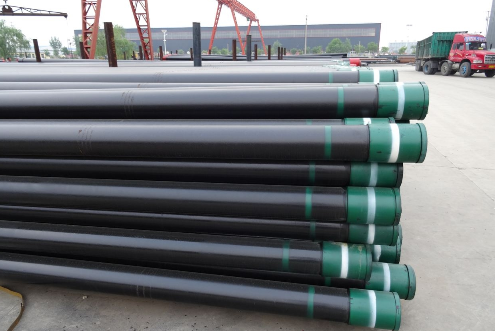
Drill pipe typically consists of a series of threaded steel pipes whose diameter and wall thickness typically vary with the depth of the well being drilled. The upper end of the drill pipe is connected to the drill pipe head of the drilling rig, which is used to transmit the torque of the drilling rig to the drill pipe, thereby driving the drill bit to rotate and pass through the rock and soil.
Sufficient strength, stiffness and overall stability to lower drill pipe, casing or tubing strings safely.
Adequate working height, space and drill floor area for efficient hoisting, equipment layout and clear operator visibility.
A simple, lightweight structure that allows fast, safe assembly, disassembly and transport.
OCTG pipe: It is the abbreviation of Oil Country Tubular Goods, including finished oil casing, drill pipe, drill collar, coupling, short connection, etc.
Oil pipe: pipes used in oil wells for oil recovery, gas recovery, water injection and acid fracturing.
Casing: a pipe that is lowered from the ground surface into the drilled hole as a lining to prevent the wall from collapsing.
Drill pipe: a pipe used to drill a wellbore.
Line pipe: a pipe used to transport oil and gas.
Coupling: used to connect two threaded pipes and a cylindrical body with internal threads.
Coupling material: pipes used to make couplings.
API thread: pipe thread specified in API 5B standard, including oil pipe round thread, casing short round thread, casing long round thread, casing partial trapezoidal thread, line pipe thread, etc.
Special buckle: Non-API threaded buckle type with special sealing performance, connection performance and other properties.
Oil pipe is an important equipment in the petroleum industry, consisting of casing, drill pipe, derrick and other components. These components work together to enable operations such as drilling and oil production. Understanding these components and their functions is important in understanding the workings and mechanisms of the petroleum industry.
