Carbon steel pipes (CS Pipe) are widely used in industry, but due to their material properties, they are susceptible to corrosion. To protect the service life and safety of carbon steel pipes, effective anti-corrosion measures are necessary. Below, we will introduce several common types of corrosion protection for carbon steel pipes in detail.
1. Paint Protection
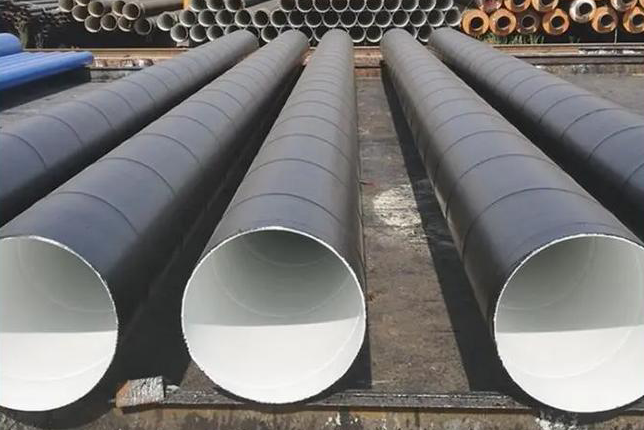
Paint protection is a commonly used method for protecting carbon steel pipes. By applying paint to the surface of the steel, air and moisture can be isolated, thus achieving the purpose of corrosion protection. Paint protection has the advantages of simple construction and low cost, but it should be noted that the quality of the paint and the application process have a significant impact on the anti-corrosion effect.
2. Galvanizing Protection
Galvanizing protection involves coating the surface of the carbon steel pipe with a layer of zinc, utilizing the reactivity of zinc to protect the steel pipe from corrosion. Galvanizing protection has good corrosion resistance and wear resistance, and is suitable for some applications with high corrosion protection requirements. However, the thickness and uniformity of the galvanized layer also have a significant impact on the anti-corrosion effect.
3. Coating Corrosion Protection
Coating corrosion protection involves applying a special anti-corrosion coating, such as epoxy resin coating or polyurethane coating, to the surface of the carbon steel pipe. These coatings possess excellent corrosion resistance, wear resistance, and high-temperature resistance, effectively protecting the carbon steel pipe from corrosion. The disadvantages of coating corrosion protection are higher construction requirements and relatively higher costs.
4. Electrochemical Corrosion Protection
Electrochemical corrosion protection protects carbon steel pipes from corrosion using electrochemical principles. Common electrochemical corrosion protection methods include cathodic protection and anodic protection.
Cathode protection uses the carbon steel pipe as the cathode, applying current to inhibit corrosion reactions; anodic protection protects the cathode (i.e., the carbon steel pipe) from corrosion by consuming anodic material. Electrochemical corrosion protection has the advantages of good anti-corrosion effect and long service life, but construction and maintenance costs are higher.
In summary, there are various types of corrosion protection for carbon steel pipes, each with its own characteristics and applicable scenarios. When choosing a corrosion protection method, it is necessary to comprehensively consider the actual situation and select the most suitable corrosion protection scheme to protect the service life and safety of the carbon steel pipe.
Read more: Steel Pipe Sizes & Dimensions Chart