


Welding can damage the protective surface film of 304 stainless steel pipes, causing heat discoloration and reducing local corrosion resistance. Post-weld treatments such as pickling, passivation, grinding, and polishing help remove oxide scale and surface contaminants. The appropriate method depends on the pipe’s surface condition and finish requirements.
After welding, post-weld treatments such as pickling and grinding are necessary to remove the oxide layer (colored) and restore corrosion resistance. A color chart is often used to determine whether the weld needs pickling based on the color grade. However, this decision is subjective, and in principle each color indicates the presence of oxidation and an affected oxide layer, so the corrosion resistance of the 304 stainless steel pipe is reduced.
Contaminated surfaces are usually cleaned using mechanical or chemical methods. Organic contamination may be caused by lubricating oil, while inorganic contamination such as foreign iron particles may be caused by contact with the tool. Generally, all kinds of surface contamination on stainless steel welded pipes can cause pitting. In addition, foreign iron particles may cause galvanic corrosion. Both pitting and galvanic corrosion are localized forms of corrosion that initially require water treatment. Therefore, surface contamination usually reduces the corrosion resistance of steel pipes.
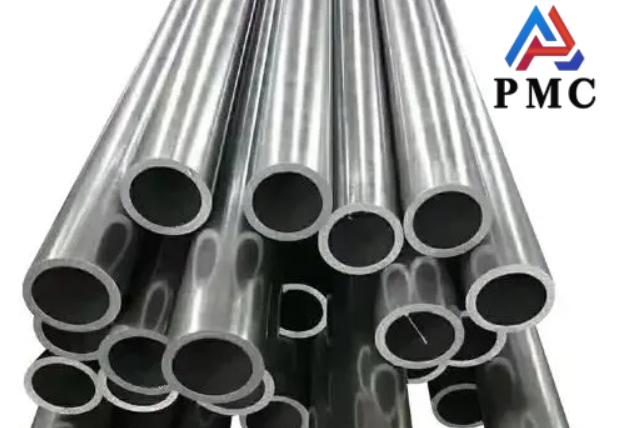
There are many post-processing methods and means to treat the surface, remove discoloration and restore corrosion resistance. Here we should distinguish between chemical and mechanical methods. Chemical methods are: pickling (by immersion, with pickling paste or spray), auxiliary passivation (after pickling) and electrolytic polishing. Mechanical methods are: sandblasting, shot blasting with glass or ceramic particles, immersion, brushing and polishing.
No subsequent treatment, whether mechanical or chemical, provides corrosion performance suitable for demanding applications. For example, chemical pickling and passivation can remove oxides and other pollutants on the surface, but it cannot meet the appearance requirements and can easily pollute the clean room due to the volatilization of chemicals. Therefore, it is necessary to use mechanical methods to process the outer surface. At the same time, mechanical methods may cause contamination by wiping away previously removed material, polishing material, or annihilating material.
The above is the treatment method of 304 stainless steel pipe after welding. After welding, post-weld treatment such as pickling and grinding is required. The mechanical method can ensure the corrosion resistance of the outer surface of the welded pipe and obtain good appearance quality, while avoiding the residue on the surface of the 304 stainless steel pipe due to the use of pickling paste.
Related articles:
