


304 stainless steel seamless pipe is widely used across the chemical, pharmaceutical, food and shipbuilding industries for its corrosion resistance and mechanical performance. Because these pipes are supplied into different markets, more than one 304 stainless steel seamless pipe standard may apply depending on the project — from the Chinese national standard GB/T 14976-2012 to ASTM 304 stainless steel pipe specifications such as ASTM A312 and A213, which are commonly referenced in international procurement. Before placing an order, buyers should confirm which 304 stainless steel pipe standards the supplier is certifying to, since chemical composition, mechanical property requirements and dimensional tolerances can differ between standards.
To keep quality consistent across these applications, standard-setting bodies have issued a series of implementation standards that regulate the production, quality control and use of 304 stainless steel seamless pipes.
1. Let's start with the domestic standard. GB/T 14976-2012 is the standard specially formulated for 304 stainless steel seamless pipe. This standard specifies in detail the technical requirements, test methods, inspection rules, packaging, marking and quality certificates of 304 stainless steel pipes. In terms of technical requirements, the standard clearly stipulates the chemical composition, mechanical properties, appearance quality and dimensional deviation of 304 stainless steel seamless pipes.
For example, in terms of chemical composition, the standard requires that the carbon content of 304 stainless steel seamless pipes shall not exceed 0.08%, the silicon content shall not exceed 1.00%, the manganese content shall not exceed 2.00%, the phosphorus content shall not exceed 0.035%, the sulfur content shall not exceed 0.030%, the chromium content shall be between 18.00%-20.00%, and the nickel content shall be between 8.00%-10.50%. The strict control of these chemical compositions ensures the corrosion resistance and mechanical properties of 304 stainless steel seamless pipes.
2. In terms of mechanical properties, GB/T 14976-2012 stipulates that the tensile strength of 304 stainless steel seamless pipes should not be less than 520MPa, the yield strength should not be less than 205MPa, the elongation should not be less than 40%, and the impact toughness should comply with relevant regulations. These mechanical performance requirements ensure the stability and reliability of 304 stainless steel seamless pipes in various applications. In addition, the standard also stipulates the appearance quality of 304 stainless steel seamless pipes, requiring the steel pipe surface to be smooth and free of defects such as cracks, folds, and scars — buyers who want to check these details themselves can refer to this guide on how to identify 304 stainless steel pipe quality.
3. In addition to the domestic standard, 304 stainless steel seamless pipe also needs to comply with the relevant international standards used by the buyer's market. Internationally, ASTM 304 stainless steel pipe requirements are commonly set out in ASTM A312 (seamless and welded austenitic stainless steel pipe) and ASTM A213 (seamless ferritic and austenitic alloy-steel boiler, superheater and heat-exchanger tubes), which — like GB/T 14976-2012 — define chemical composition, mechanical properties, appearance quality and dimensional tolerances for 304 stainless steel seamless pipe. Having a shared set of ASTM standards for 304 stainless steel pipe alongside domestic standards makes it easier for buyers and suppliers to agree on specifications, and supports international trade and technical exchange around 304 stainless steel seamless pipe.
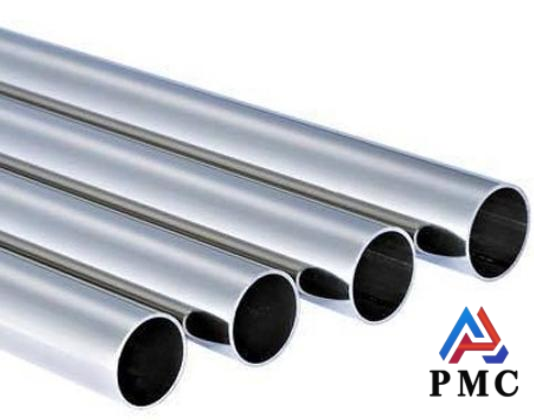
4. In the actual production process, manufacturers need to strictly abide by these implementation standards to ensure the quality of 304 stainless steel seamless pipes is stable and reliable. At the same time, when using 304 stainless steel seamless pipes, users should also select and install them according to the standard requirements to ensure their performance. Where welded connections are involved during installation or fabrication, it is also worth reviewing how nondestructive testing of 304 stainless steel pipe welds is carried out to verify weld integrity. In short, the implementation standards of 304 stainless steel seamless pipes are an important guarantee to ensure product quality and performance.
By formulating and implementing these standards, we can effectively regulate the production and use process of 304 stainless steel seamless pipes, improve their product quality and reliability, and thus promote the sustainable development of industrial production. At the same time, these implementation standards also provide unified technical specifications and quality requirements for the global trade of 304 stainless steel seamless pipes, and promote international exchanges and cooperation.
With the continuous advancement of science and technology and the continuous development of the industrial field, more and more refined implementation standards will likely be introduced in the future to better meet the application needs of 304 stainless steel seamless pipes in various fields. Manufacturers and users should also actively pay attention to and follow these new implementation standards to jointly promote the continuous improvement and development of 304 stainless steel seamless pipe technology.
