When reading seamless steel pipe markings and inspection documents, two identifiers often appear side by side: the heat number and the batch number. They are related but not interchangeable. This article explains seamless steel pipe heat number vs. batch number and how the two work together.
Quick Answer: Heat Number vs. Batch Number
A seamless steel pipe heat number identifies the steel melt (heat) from which the pipe was made, which links the pipe to the chemical composition recorded for that melt. A batch number, sometimes called a lot number, is a production or delivery grouping assigned by the manufacturer, and its exact meaning can vary by mill, production process and project requirements. In short, the heat number tells you where the steel came from, while the batch number tells you how the finished pipes were grouped.
Definition of Batch Number and Heat Number
The
seamless steel pipe (smls pipe) heat number identifies the heat, meaning one melt produced in the steelmaking furnace, from which the pipe's raw material was made. It is assigned by the steel mill or manufacturer, and its format and marking location vary from mill to mill. It is mainly used to trace the steel back to its production record.
The batch number is an identification number assigned by the manufacturer to a group of pipes handled together in production, inspection or delivery. Depending on the manufacturer, it may be related to production date, production run, heat treatment lot or shipment. Because there is no single universal definition, a batch number should always be understood within the manufacturer's own system and the requirements of the order.
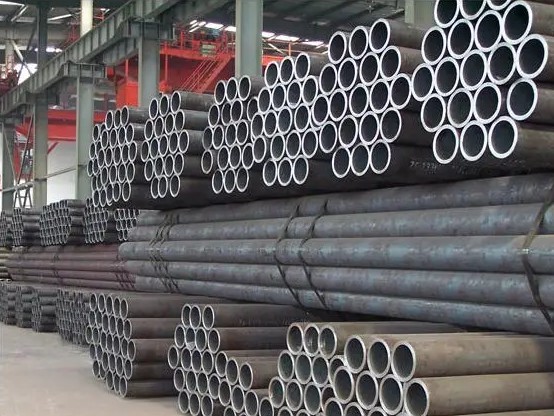
The Role of Batch Number and Heat Number
The batch number and heat number of seamless steel pipes are identification methods used by manufacturers to manage production, support quality control and keep the pipes traceable. The heat number is established at steelmaking, while the batch number is assigned during pipe production, inspection or delivery. Both stay with the pipe's records after delivery. Understanding what each number represents helps users follow the production and traceability information of the pipes.
The Difference between Seamless Steel Pipe Heat Number and Batch Number
Seamless steel pipe heat numbers and batch numbers are both identifiers used for traceability, but they answer different questions. The heat number points to the steel melt. The batch number points to a group of pipes in the manufacturer's production or delivery records.
The heat number is a traceability reference, not a quality grade or score. Pipes from different heats can all meet the same specification, and a heat number does not rank one pipe as "better" than another. What it does is connect a pipe to the chemical composition recorded for its heat. Mechanical test results, by contrast, are often reported per test lot, depending on the applicable specification.
The batch number is compiled by the manufacturer to distinguish one production or delivery group from another. It helps the manufacturer manage production and organize traceability records, and it may appear on labels, packing lists or inspection records.
Can One Heat Number Have Multiple Batch Numbers?
Yes. A single heat of steel can produce a large quantity of material, and that material is often not processed in one go. When the same heat is used for different pipe sizes, rolled in separate production runs, heat-treated in separate furnace loads or shipped in separate deliveries, the manufacturer may assign more than one batch or lot number to pipes from that heat.
The reverse can also happen. Depending on the manufacturer's practice and the order requirements, one batch or lot may include pipes from more than one heat. This is why the seamless pipe heat number and batch number should be treated as two different identifiers, and why the heat number is the reference used for the steel origin, while the batch number depends on the manufacturer's own grouping.
What Is the Purpose of Numbering?
The purpose of numbering is, firstly, to facilitate production arrangement. Secondly, it supports quality control: when a quality problem is found, products with the same heat number or batch number can be located and recalled. Thirdly, if an accident occurs at the end user's site, the production information at that time can be traced through these marks, which helps determine whether the material was the cause.
What Should Buyers Check?
When reviewing seamless steel pipe markings and related documents, buyers mainly need to understand that the two numbers do different jobs:
The heat number shows which steel melt the pipe came from. It is not a quality grade, and a different heat number does not mean better or worse pipe.
The batch number shows how the manufacturer grouped the pipes. Confirm with the supplier how the term is defined in their records.
The heat number on the pipe marking should correspond to the one in the
Steel Pipe MTC. Any batch or lot number, where used, should be consistent with the supplier's packing and inspection records.
If you need to find or confirm a specific heat number, see our guide on seamless steel pipe heat number and query method.
Conclusion
The seamless steel pipe heat number and batch number are both traceability identifiers, but they serve different purposes. The heat number links the pipe to its steel melt and the related composition record, while the batch number reflects how the manufacturer grouped the pipes for production management and delivery. Understanding heat number vs. batch number helps buyers read pipe markings and documents correctly and keep each delivery traceable.