


Quick Answer: The Difference Between GI and MS comes down to coating and corrosion resistance. GI (Galvanized Iron) is iron or steel that has been coated with a layer of zinc, which acts as a sacrificial barrier that protects the base metal from rust and moisture damage. MS (Mild Steel) is uncoated low-carbon steel that offers excellent weldability and strength but rusts quickly unless it is painted, oiled, or otherwise protected.
Coating: GI has a zinc layer; MS has none
Corrosion resistance: GI is excellent; MS is poor unless protected
Cost & weldability: MS is cheaper and easier to weld; GI costs more but needs less maintenance
In short, when comparing GI vs MS, GI is chosen when long-term corrosion resistance matters more than cost, while MS is chosen when strength, weldability, and affordability are the priority. This same trade-off carries directly into piping products — which is why the choice between GI Pipe vs MS Pipe follows the same logic explained below.
Galvanized iron (GI) is iron which has been coated in a layer of zinc to help the metal resist corrosion. Steel can also be galvanized. When metal is going to be used in an environment where corrosion is likely, it is often galvanized so that it will be able to withstand the conditions. Even with galvanization, however, corrosion will eventually start to occur, especially if conditions are acidic.
There are two primary techniques which can be used to make galvanized iron. The most common is hot-dip galvanization, in which the iron is moved through an extremely hot bath of molten zinc, which may be mixed with small amounts of lead, depending on the circumstances. When the iron emerges from the bath, the zinc will have bonded, creating a layer of zinc on the surface of the iron. Sometimes, the metal may be passed through a mill to flatten and even out the coating.
Another technique which can be used is electrodeposition, also known as electroplating, although this is rare.Once galvanized, iron is covered in a layer of zinc which may be shiny to dull gray. The zinc can be painted, if desired, or left plain. Painting is often done when the iron must match other building materials, or when people want to make it less obvious. In the garden, for example, it may be painted green so that it will blend in with foliage instead of standing out.
As long as the zinc coating remains intact, the galvanized iron should remain in relatively good condition. The zinc layer works by acting as a sacrificial anode: it corrodes preferentially in place of the base iron or steel, giving GI its strong corrosion resistance even in humid or outdoor environments. However, acidic conditions can erode the zinc over time, creating patches where corrosion can occur. Corrosion can also occur when the coating is penetrated, as when someone drives a nail through a sheet of galvanized iron, exposing the iron inside to the elements. Once corrosion starts, it can spread under the zinc, eventually causing the metal to fail.
There are a wide range of uses for this type of iron, which comes in pipes, stakes, sheeting, and wire, among other formats, and it is typically found in water pipes, fencing, roofing sheets, and outdoor structural work where moisture exposure is constant. Many hardware and home supplies carry galvanized iron products and may be willing to cut pieces to custom sizes by request. People can also be referred to professionals who will weld or cut galvanized iron to meet the needs of a particular project.
Mild steel (MS) is the least expensive of all steel and the most common steel used. Used in nearly every type of product created from steel, it is weldable, very hard and, although it easily rusts, very durable. Containing a maximum of 0.29% carbon, this type of steel is able to be magnetized and used in almost any project that requires a vast amount of metal.Its structural strength prevents it from being used to create load-bearing girders and structural beams.
Because it is easy to cut, bend, and shape, mild steel is also a favorite material for fabrication shops that need to produce custom parts quickly and without specialized tooling. Many of the everyday objects that are created of steel are made using mild steel, including automobile chassis, motorcycle frames, and most cookware. Due to its poor corrosion-resistance, it must be painted or otherwise protected and sealed in order to prevent rust from damaging it. A light coat of oil or grease is able to seal this steel and aid in rust control. This combination of low cost and easy fabrication is why mild steel remains the default choice across construction, automotive, and general manufacturing industries.
Unlike high-carbon steel, mild steel is easily welded. The properties of the steel allow the electrical current to travel through the metal without distorting the makeup of the material, and this excellent weldability is one of the main reasons mild steel is specified for structural frames, machinery bases, and pipeline fabrication. Some types of high-carbon steel, such as stainless steel, require special techniques in order to properly weld the material. Being less brittle than high-carbon steels, the mild variant is able to flex and give in construction projects where a higher-carbon version could simply break.
Most of the pipeline in the world is created using mild steel. This allows the pipe to not only be easily welded into place, but also lets the pipeline flex and avoid cracking and breaking under pressure. The corrosive properties of the steel pipeline mean that it must be properly sealed through painting or a process often used on pipelines that involves wrapping the pipe with a corrosive-resistant material.
Often in very cold climates, a warming type of insulating material is wrapped around the pipeline. This material helps keep the cold inside the pipe running smoothly. The wrap also prevents the soft mild pipe steel from becoming brittle and cracking. The constant expansion and shrinkage due to cold and warmth cycling in the pipe could create structural integrity problems, but these are held in check by the insulating wrap. On a much smaller scale, household pipes can be prevented from becoming cold and breaking by the use of electrical heating tape.
|
Feature |
GI (Galvanized Iron) |
MS (Mild Steel) |
|
Full Name |
Galvanized Iron |
Mild Steel |
|
Base Material |
Iron or low-carbon steel |
Low-carbon steel |
|
Zinc Coating |
Yes, hot-dip or electroplated |
None |
|
Surface Finish |
Shiny to dull gray |
Plain metallic, often painted |
|
Corrosion Resistance |
Excellent, as long as coating is intact |
Poor without added protection |
|
Rust Resistance |
High |
Low |
|
Strength |
Slightly reduced by coating layer |
High, good structural strength |
|
Weldability |
More difficult due to zinc fumes |
Excellent |
|
Maintenance |
Low, coating is self-protecting |
Regular painting or oiling needed |
|
Outdoor Use |
Well suited |
Requires protective coating |
|
Cost |
Higher |
Lower |
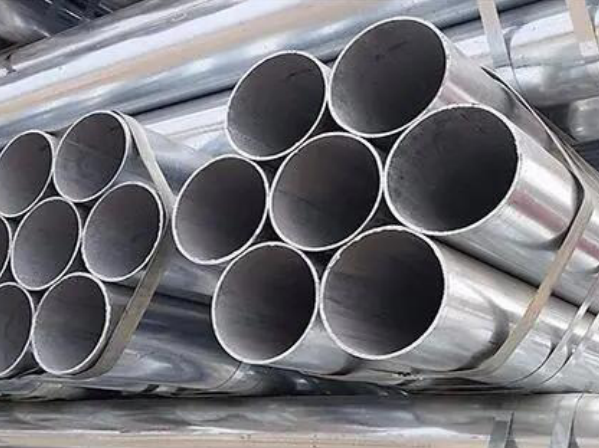
GI (Galvanized Iron) pipe is a mild steel pipe that has been coated with a layer of zinc through a galvanizing process. GI Pipe is commonly known as galvanized steel pipe in modern applications. This zinc coating forms a protective barrier that prevents the steel from rusting or corroding when exposed to moisture and air. Because of this, GI pipes are highly durable and ideal for water supply lines, outdoor construction, fencing, and agricultural irrigation systems.
The galvanization process makes GI pipes suitable for environments where corrosion resistance is a priority. However, their zinc coating can make them slightly less flexible and more difficult to weld compared to uncoated pipes.
MS (Mild Steel) pipe is made from low-carbon steel with good ductility, weldability, and machinability. Unlike GI pipes, it has no coating and can rust, but protection can be added by painting or oiling.
MS pipes are available in both seamless pipe and welded pipe types to suit different application needs. They are widely used in structural, mechanical, and engineering projects, such as furniture, frames, machinery, and automobiles. With a smooth surface, high strength, and low cost, MS pipes are ideal for fabrication and industrial applications.
Feature
GI Pipe
MS Pipe
Base Material
Mild steel, zinc-coated
Mild steel, uncoated
Coating
Zinc coating (galvanized)
No coating
Corrosion Resistance
Excellent
Requires protection
Rust Protection
Built into the zinc layer
Depends on paint/oil coating
Weldability
More difficult
Very easy
Flexibility
Moderate
High
Maintenance
Low, minimal upkeep once installed
Ongoing repainting/oiling needed
Painting
Optional, mainly for appearance
Usually required for rust control
Outdoor Performance
Strong, built for exposure
Weak unless protected
Indoor Performance
Good, often unnecessary expense
Excellent, cost-effective
Typical Service Life
Longer in humid/outdoor conditions
Shorter unless well maintained
Cost
Higher
Lower
Common Uses
Plumbing, outdoor, water systems
Structural, industrial, fabrication
Both GI and MS pipes have distinct advantages depending on their application. GI pipes offer long-lasting protection against corrosion, while MS pipes provide affordability, strength, and versatility. Selecting the right type ensures efficiency, safety, and durability in your project.
The GI vs MS distinction directly affects how a pipe performs once it's installed. In water supply systems, GI pipe's zinc coating resists the constant moisture exposure that would quickly corrode bare steel, protecting water quality and extending service life. In construction, MS pipe's weldability and flexibility make it easier to fabricate into structural frameworks on site. Oil & gas projects often favor MS pipe for its strength and weld integrity under pressure, paired with external coatings where corrosion resistance is needed. For general industrial projects, the choice usually comes down to whether the pipe will face ongoing moisture or chemical exposure (favoring GI) or whether strength, welding, and cost efficiency matter more (favoring MS).
GI Standards
MS Standards
For guidance on sizing and selecting the right pipe against these standards, see our ASTM A53 size and grade guide and steel pipe weight chart and formula.
Not exactly — the underlying steel strength is similar, since GI pipe is simply mild steel with a zinc coating. What changes is corrosion performance, not raw mechanical strength. In fact, the coating adds a small amount of thickness but does not meaningfully increase load-bearing capacity, so GI and MS pipe of the same grade have comparable structural strength.
Yes. MS pipe becomes GI pipe once it goes through the galvanizing process, typically hot-dip galvanization, where the bare steel is coated with a protective layer of zinc. The base material stays the same mild steel — only the surface protection changes, which is why galvanizing is often offered as an upgrade option on MS pipe orders.
GI pipe generally lasts longer outdoors because the zinc coating shields the steel from moisture and slows rust formation. MS pipe can match this lifespan only with regular painting, coating maintenance, or additional external protection, which adds ongoing cost and labor compared to the low-maintenance nature of galvanized pipe.
GI pipe is typically preferred for water supply lines because its zinc coating resists the constant moisture exposure that would otherwise corrode bare steel. This protects both the pipe and water quality over time. MS pipe can be used with internal linings or coatings, but GI remains the more common default for this application.
Yes, GI pipe usually costs more than MS pipe due to the added galvanizing process and material. However, this higher upfront cost is often offset by lower long-term maintenance, since GI pipe needs less repainting and replacement than uncoated MS pipe in corrosive or outdoor conditions.
Choosing between GI and MS ultimately comes down to matching the material to the environment: GI's zinc coating delivers long-term corrosion resistance for outdoor, water, and agricultural applications, while MS offers the strength, weldability, and cost efficiency needed for structural and industrial fabrication. The same logic applies once you move from raw material to pipe selection — the right choice between GI Pipe and MS Pipe depends on exposure conditions, maintenance expectations, and budget.
Permanent Steel Manufacturing Co.,Ltd (PMC) is a professional and experienced supplier of steel pipes with rich industry experience, strict quality control and complete international certifications. We supply both GI and MS pipe to the exact standards and grades covered above, and our team can help you match the right pipe to your project's conditions. For any inquiries or cooperation, please feel free to contact us.
Related articles:
Seamless Pipe vs MS Pipe: Key Differences, Uses & How to Choose
