


Galvanized iron (GI): Gi is iron which has been coated in a layer of zinc to help the metal resist corrosion. Steel can also be galvanized. When metal is going to be used in an environment where corrosion is likely, it is often galvanized so that it will be able to withstand the conditions. Even with galvanization, however, corrosion will eventually start to occur, especially if conditions are acidic.
Cold galvanized: is galvanized, zinc less, only 10-50g / m2, so is the use of electrolysis or other parts of the metal surface of the material attached to a metal film craft. The formation of uniform, dense, good adhesion of the metal layer process can serve to prevent corrosion, improve the wear resistance, electrical conductivity, reflectivity and enhance the aesthetics and so on.
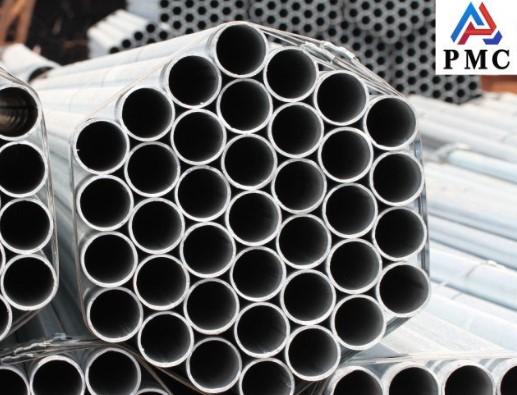
HDG and GI diffrence:
8. Different charges, according to the thickness of the hot-dip galvanized material charges, according to the majority of cold-plated square meter charges.
HDG pipe vs GI pipe
Hot-Dip Galvanized (HDG) pipe is produced by dipping a steel pipe, including both seamless pipes and ERW pipes, in molten zinc (around 450°C). This process creates a thick, tightly bonded zinc-iron alloy coating (typically 40–100 μm) that delivers excellent protection against rust, moisture, and harsh environments. Ideal for outdoor and industrial use, HDG pipes are widely applied in water supply systems, street lighting poles, power towers, fencing, scaffolding, and marine structures. Their durable coating ensures a long service life even under severe weather or corrosive conditions.
GI (Galvanized Iron) pipe, also called electro-galvanized pipe, is made by adding a thin zinc layer (5–25 μm) to steel via electrolysis. It has a smooth, shiny finish, with moderate corrosion resistance.
Widely used in indoor plumbing, AC systems, furniture, and decorative frameworks, GI pipes are cost-effective, lightweight, and easy to handle—ideal for low-humidity or indoor environments.
|
Feature |
HDG Pipe (Hot-Dip Galvanized) |
GI Pipe (Electro-Galvanized) |
|
Coating Method |
Dipped in molten zinc |
Zinc coated by electrolysis |
|
Coating Thickness |
40–100 μm |
5–25 μm |
|
Corrosion Resistance |
Excellent |
Moderate |
|
Surface Appearance |
Dull gray, rough texture |
Bright, smooth finish |
|
Durability |
Long-lasting |
Moderate |
|
Ideal Application |
Outdoor, marine, industrial |
Indoor, decorative, light-duty |
In summary, HDG pipes offer superior corrosion resistance and durability for outdoor and heavy-duty applications, while GI pipes are better suited for indoor or decorative use where cost and appearance matter most.
Whether you need a hot-dip galvanized pipe for structural strength or an electro-galvanized pipe for a cleaner look, understanding their differences ensures better performance, safety, and value for your project.
Read more:
