304 stainless steel pipe does not have a fixed service life. Its actual lifespan depends on the service environment, material quality, surface condition, fabrication and installation practices, operating conditions, and how the pipe is cleaned and maintained over time.
Stainless steel piping can provide several decades of service when the material, environment, installation and maintenance are properly matched. In some water-supply applications, service lives of 70–100 years have been reported, but this range is not a guarantee — the actual service life of any stainless steel pipe varies with how it is used and cared for.
A common misunderstanding among users is that a rusting
stainless steel pipe indicates a quality defect. In most cases this is not accurate. 304 stainless steel is corrosion-resistant, but it is not corrosion-proof, and surface rust is usually a sign of an environmental or handling issue rather than a defective batch of steel.
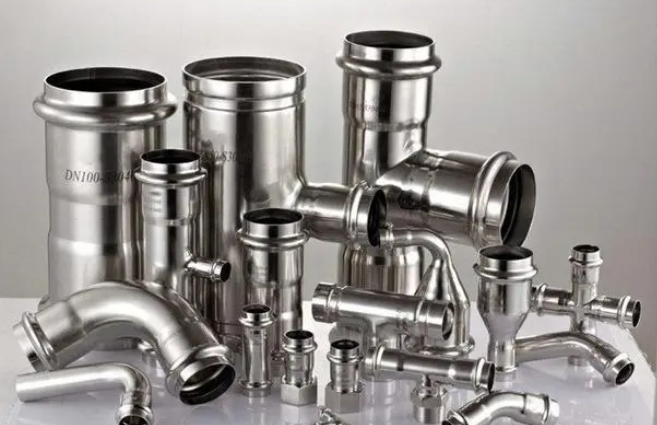
The Service Life of 304 stainless steel pipe is Usually Affected by the Following Points
Factor
|
Potential Effect on Service Life
|
Clean indoor environment
|
Generally lower corrosion risk
|
Humid environment
|
Requires better maintenance
|
Coastal or salt exposure
|
Higher corrosion risk
|
Chloride-containing media
|
May increase corrosion risk
|
Poor fabrication or contamination
|
Can shorten service life
|
Improper cleaning
|
May damage the passive surface
|
1. Service Environment
304 stainless steel resists atmospheric oxidation well under normal conditions, but its corrosion resistance drops in the presence of chlorides, salts, acids, or alkalis. The actual performance depends on the steel's chemical composition, the surrounding media, and how consistently the pipe is exposed to aggressive conditions.
Coastal environments are a common trouble spot. Salt-laden air and mist can settle on the pipe surface and initiate localized corrosion faster than in a dry, clean indoor environment. Industrial settings — such as seaside wastewater treatment facilities — combine chloride exposure with chemical pollutants, which further increases risk. Cleaning 304 stainless steel pipe with harsh or corrosive chemicals can also trigger rust spots, even indoors.
Temperature swings and continuous exposure to acidic or alkaline media add further stress, so matching the grade to the operating environment matters more than assuming any stainless steel pipe will perform the same way everywhere.
2. Material Quality and Surface Condition
Not all 304 stainless steel pipe performs the same, even within the same grade designation. Material quality, consistency of the passive oxide layer, and surface condition all influence how well a pipe resists corrosion in service.
Surface contamination is a frequent, avoidable cause of premature rusting. Iron particles or carbon steel residue left on the surface — often from shared tools or nearby grinding work — can embed into the stainless steel surface and corrode, producing rust spots that look like a material defect but are actually surface contamination. Scratches and abrasions can also disrupt the passive layer, creating localized weak points. Proper surface treatment and passivation after fabrication help restore and protect this protective layer.
3. Fabrication and Installation
How a 304 stainless steel pipe is cut, welded, ground, and handled during fabrication has a direct bearing on its long-term performance. Using carbon steel tools or blades to cut stainless steel pipe can leave iron filings embedded in the surface, which later corrode and stain the steel. Grinding dust from nearby carbon steel work causes the same problem.
Weld quality is another factor worth flagging: poorly executed welds can leave discoloration, inconsistent heat-affected zones, or micro-defects that become preferential corrosion sites later in service. We won't go into inspection methods here.
Installation matters too. Painting over freshly installed stainless steel, trapping moisture behind cladding, or allowing contact with dissimilar metals can all introduce corrosion risks that have nothing to do with the base material itself.
4. Wall Thickness and Operating Conditions
Wall thickness affects a pipe's ability to withstand internal pressure and mechanical loads, but a thicker pipe does not automatically mean better corrosion resistance — corrosion is primarily a surface and environmental phenomenon, not a function of bulk thickness. Selecting the correct wall thickness is really a pressure-rating and mechanical-design decision.
5. Cleaning and Maintenance
Routine cleaning helps preserve the passive layer that gives 304 stainless steel its corrosion resistance, but the wrong cleaning method can do more harm than good.
Avoid:
Steel wool or carbon steel brushes
Harsh abrasives
Bleach or inappropriate acidic/alkaline cleaners
Chloride-containing cleaning products where unsuitable
Recommended:
Clean water for routine wipe-downs
Mild detergent for general dirt and grime
A soft cloth rather than abrasive pads
Regular removal of surface contaminants (dust, grinding residue, salt deposits) before they accumulate
Cleaning and maintenance won't compensate for a poor grade choice or bad fabrication, but neglecting it — or using the wrong products — can noticeably shorten the practical service life of an otherwise sound installation.
FAQs
How long can a 304 stainless steel pipe last?
There is no fixed number that applies to every installation. In favorable conditions — clean environment, good fabrication, routine maintenance — 304 pipe has supported multi-decade service, with some water-supply systems reported at 70–100 years. In harsher or poorly maintained settings, expect a shorter working life, since environment and upkeep matter as much as the grade itself.
Can 304 stainless steel pipe rust?
Yes, and this doesn't necessarily mean the pipe is defective. 304 is corrosion-resistant, not corrosion-proof. Rust spots most often trace back to chloride exposure, embedded iron particles from carbon steel tools, or harsh cleaning chemicals attacking the passive layer — issues that are usually preventable rather than a sign of bad material. Related:Does 316 Stainless Steel Rust?
Does a thicker 304 stainless steel pipe last longer?
Not for corrosion resistance — a thicker wall improves pressure and load-bearing capacity, not rust protection. Since corrosion attacks the surface, what actually extends service life is the condition of that surface: proper passivation, a clean environment, and careful handling, regardless of how thick the wall is.
Conclusion
The service life of 304 stainless steel pipe is not a single fixed number — it is shaped by the service environment, material and surface quality, fabrication and installation practices, operating conditions, and ongoing cleaning and maintenance. A pipe used in a clean, dry indoor system will typically outperform an identical pipe exposed to salt spray, aggressive chemicals, or poor workmanship.
Proper material selection, careful fabrication and installation, and regular cleaning can help maximize the service life of 304 stainless steel pipe. Where the operating environment is particularly demanding, it's worth reviewing grade selection and wall thickness alongside these maintenance practices rather than relying on grade alone.
Read more:
Carbon Steel Pipe vs Stainless Steel Pipe
Stainless Steel Pipe Dimensions and Weight Chart