1. What does "Schedule" Mean in a Piping System?
Pipe Schedule (abbreviated as SCH) is a wall thickness series in American Standard piping systems. It's not a specific thickness value, but a standardized wall thickness rating code (SCH 5, 10, 20, 40, 80, 160). The larger the number after SCH, the thicker the pipe wall, and the higher the cost.For the same material and size, the larger the number after SCH, the thicker the pipe wall, the heavier it is, the greater its pressure capacity, and the higher its cost.
2. What is the Difference in Pressure Rating between Schedule 40 and Schedule 80 Pipes?
In piping systems,
Schedule 40 and Schedule 80 steel pipe wall thickness grades are the most commonly used. The main difference between them lies in the wall thickness, which directly determines their pressure capacity and application. SCH 40 refers to steel pipes with a standard wall thickness, while SCH 80 refers to steel pipes with a thicker wall thickness. For the same material and dimensions, Schedule 80 has an average pressure-bearing capacity that is approximately 40%-60% higher than Schedule 40.
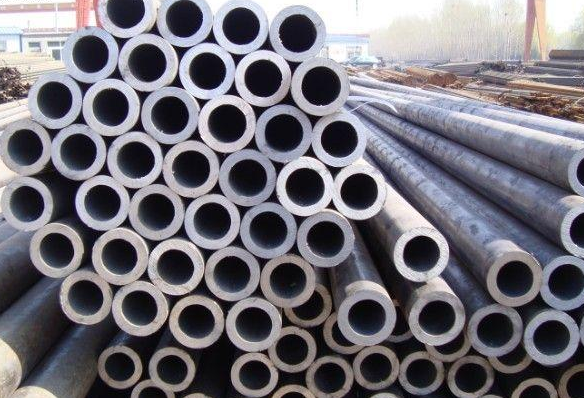
2.1 Schedule 40 vs Schedule 80 Pipe Pressure Rating
|
Nominal Pipe Size (NPS)
|
Outside Diameter (OD)
|
Schedule 40 Wall Thickness
|
Maximum Pressure (PSI)
|
Schedule 80 Wall Thickness
|
Maximum Pressure (PSI)
|
|
1/8"
|
0.405
|
0.068
|
810
|
0.095
|
1230
|
|
1/4
|
0.540
|
0.088
|
780
|
0.119
|
1130
|
|
3/8
|
0.675
|
0.091
|
620
|
0.126
|
920
|
|
1/2
|
0.840
|
0.109
|
600
|
0.147
|
850
|
|
3/4
|
1.050
|
0.113
|
480
|
0.154
|
690
|
|
1
|
1.315
|
0.133
|
450
|
0.179
|
630
|
|
1 1/4
|
1.660
|
0.140
|
370
|
0.191
|
520
|
|
1 1/2
|
1.900
|
0.145
|
330
|
0.200
|
470
|
|
2
|
2.375
|
0.154
|
280
|
0.218
|
400
|
|
2 1/2
|
2.875
|
0.203
|
300
|
0.276
|
420
|
|
3
|
3.500
|
0.216
|
260
|
0.300
|
370
|
|
3 1/2
|
4.000
|
0.226
|
240
|
0.318
|
350
|
|
4
|
4.500
|
0.237
|
220
|
0.337
|
320
|
|
5
|
5.563
|
0.258
|
190
|
0.375
|
290
|
|
6
|
6.625
|
0.280
|
180
|
0.432
|
280
|
|
8
|
8.625
|
0.322
|
160
|
0.500
|
250
|
|
10
|
10.750
|
0.365
|
140
|
0.593
|
230
|
|
12
|
12.750
|
0.406
|
130
|
0.687
|
230
|
|
14
|
14.000
|
0.437
|
130
|
0.750
|
220
|
|
16
|
16.000
|
0.500
|
130
|
0.843
|
220
|
|
18
|
18.000
|
0.562
|
130
|
0.937
|
220
|
|
20
|
20.000
|
0.593
|
120
|
1.031
|
220
|
|
24
|
24.000
|
0.687
|
120
|
1.218
|
210
|
2.2 SCH 40 vs SCH 80 Pipe: What's the Difference?
Feature
|
SCH 40
|
SCH 80
|
Wall Thickness
|
Thinner
|
Thicker
|
Weight
|
Lower
|
Higher
|
Pressure Rating
|
Lower
|
Higher
|
Cost
|
Lower
|
Higher
|
Installation
|
Easier
|
Heavier
|
3. SCH 40 vs SCH 8: How do you choose the right steel pipe wall thickness?
Generally speaking, if you need to use steel pipes in harsh environments such as medium to high pressure, high temperature, or corrosive conditions, then choosing SCH 80 will be more reliable and dependable. Because SCH 80 has a thicker wall, it can withstand higher pressure and temperature, and is also more corrosion-resistant. However, for general low-pressure, normal-temperature, or non-pressure applications, SCH 40 is sufficient and more economical.