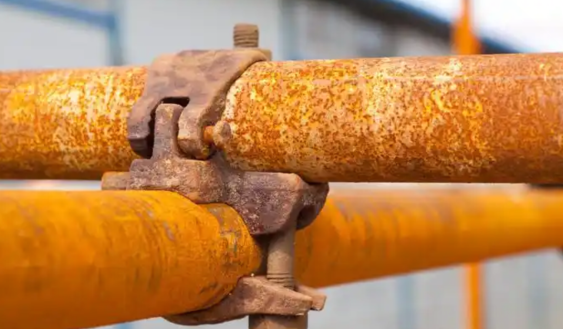
Causes of Rust on Carbon Steel Pipes:
The surface metal of
carbon steel pipes (CS pipe) chemically reacts with oxygen and moisture in the air, causing rust. Rust is also susceptible to factors such as humidity and chemical corrosion.
Key Maintenance Principles:
Keep it dry: Moisture is essential for rust.
Clean the surface: Dust, salt, and chemicals accelerate corrosion.
Complete Coating: A complete protective coating (such as paint or galvanizing) is the most effective barrier against rust.
Regular Inspections: Detect minor problems early and prevent extensive damage.
Carbon Steel Pipe Maintenance Methods:
After rust removal and prevention, carbon steel pipes can be maintained in the following ways:
1. Keep Dry
Keeping dry is key. Minimize exposure to moisture. Store steel pipes in a well-ventilated, dry environment during storage and use. If exposed to moisture, moisture will accelerate rust, so take timely dehumidification measures, such as using a desiccant.
Outdoor Storage: If outdoor storage is necessary, it should be elevated (≥20cm) and away from dirt. Cover tightly with a rainproof tarp to ensure adequate drainage and prevent water accumulation.
2. Applying Rust Inhibitor
You can choose a specialized metal rust inhibitor and evenly apply it to the surface of the derusted steel pipe to form a protective film that prevents air and moisture from coming into contact with the pipe. The choice of rust inhibitor should be determined based on the specific usage environment and requirements, as different rust inhibitors have varying performance characteristics.
3. Anti-corrosion Paint
Applying paint can provide longer-lasting protection. Applying the appropriate paint to the steel pipe surface not only enhances its appearance but also effectively prevents rust. When applying paint, pay attention to the quality and thickness of the paint to ensure adequate coverage. Generally, a primer improves paint adhesion, while a topcoat provides enhanced protection.
It's recommended to fully recoat the pipes every one to two years, using a
three-layer coating (primer, midcoat, and topcoat) with a total thickness of 150-200μm to prevent corrosion and penetration.
4. Regular Inspection
Regular inspections are also essential. Regularly inspect carbon steel pipes to identify potential rust problems and implement appropriate remedial measures. If the anti-rust coating is damaged or peeling, reapply anti-rust agent or repaint promptly.
Weekly inspect welds, joints, and supporting structures, areas prone to dust accumulation, and clean any dirt and rust.
In short, the maintenance of carbon steel pipes after rust removal and prevention requires a multi-faceted approach: keeping them dry, applying anti-rust agent, painting, and regular inspections. These combined measures can effectively extend the service life of carbon steel pipes and ensure their safe and reliable operation in various environments.
Read more:
Carbon Steel Pipe vs Stainless Steel Pipe
Five Ways to Remove Rust from Carbon Steel Pipes