


ASTM A153 - Zinc Coating (Hot-Dip) on Iron and Steel Hardware
ASTM A53 covers steel pipe for pressure and mechanical applications. ASTM A123 covers hot-dip galvanized zinc coatings applied to fabricated iron and steel products. ASTM A153 covers hot-dip galvanized coatings for iron and steel hardware, such as bolts, nuts, and fittings. Although all three standards involve steel and, in some cases, galvanizing, they apply to different products and cannot be used interchangeably when specifying materials or coatings.
|
Standard |
Main Scope |
Main Purpose |
|
ASTM A53 |
Welded and seamless steel pipe |
Pressure and mechanical piping: steam, water, air, gas lines |
|
ASTM A123 |
Hot-dip galvanized coating on fabricated iron and steel products |
Coating thickness, adhesion, and surface quality control |
|
ASTM A153 |
Hot-dip galvanized coating on iron and steel hardware |
Coating quality control for bolts, nuts, washers, and fittings |
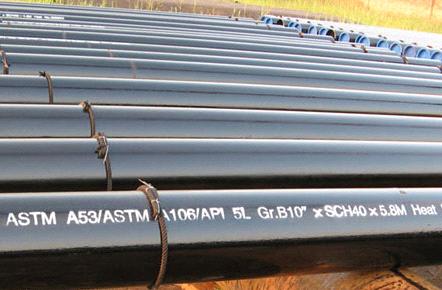
ASTM A53 is a pipe standard — it covers the pipe's chemical composition, mechanical strength, and manufacturing method (welded or seamless). It applies wherever steel pipe carries pressure, such as steam, water, air, or gas lines. For full grade, strength, and testing requirements, see our ASTM A53 pipe specifications page.
ASTM A123 is a coating standard — it covers the hot-dip galvanized zinc coating applied to fabricated iron and steel products, including thickness, adhesion, and surface finish. It is referenced whenever a steel product, including pipe, needs to meet a defined galvanizing quality level.
ASTM A153 is also a coating standard, but for a different product category: hot-dip galvanized coatings on iron and steel hardware, such as bolts, nuts, washers, and fittings. It does not apply to pipe or structural steel, so it cannot substitute for A53 or A123.
The practical link between the three: A53 Section 17 requires galvanized pipe to be hot-dip galvanized per ASTM B6 with a minimum coating weight, but it does not set requirements for surface treatment, appearance, or adhesion. ASTM A123 covers those requirements, and its minimum coating thickness corresponds to the coating weight required under A53 — so pipe galvanized to A123 also satisfies A53 Section 17. ASTM A153 is not part of this relationship, since it governs hardware rather than pipe.
In practice, a single galvanized piping project often calls out all three standards at once, each for a different component. The pipe is ordered to ASTM A53 for its material and pressure rating. If the project requires corrosion protection — for example, outdoor, buried, or marine installations — the pipe's galvanized coating is specified to meet ASTM A123 for thickness and adhesion. The bolts, nuts, washers, and other small hardware used to assemble the piping system are galvanized and specified separately to ASTM A153, since A123 does not cover hardware-scale parts the way A153 does. Specifying the correct standard for each component avoids mismatched coating requirements between the pipe and its hardware.
See our standards overview page for how other pipe standards compare.
