


Elbow fittings change the flow direction in a piping system and come in different angles, materials and configurations. Their main advantages are layout flexibility and easy connection to welded, threaded or flanged lines. Their main disadvantages are added pressure loss, faster wear at the bend in high-velocity service, and higher cost or longer lead time for stainless steel and custom elbows. Below, we compare common types such as 45°, 90° and 180° elbows and cover pressure loss, flow direction, installation space, cost and maintenance.
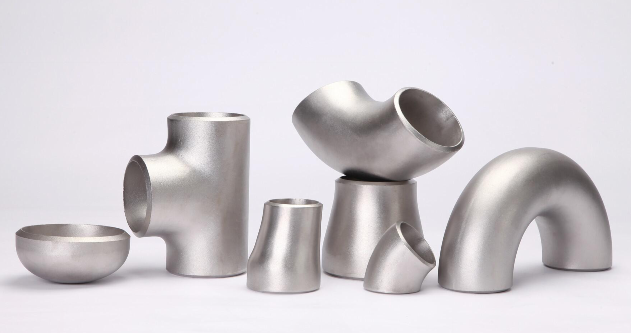
Elbows are made according to needs, and elbows with different angles, radii, and textures can be made according to the needs of the pipeline. However, making elbows requires special processing equipment and technology, so it is difficult to make. It requires professional technicians to process and debug, and the production cycle is relatively long.
Elbow fittings are available in different angles, radii, and configurations to meet various piping requirements. Common options include 45°, 90°, and 180° elbows, as well as long-radius, short-radius, and reducing elbows.
For a detailed overview of the different types of elbow fittings, including their features and typical applications, see our guide to [Types of Elbow Fittings in Piping].
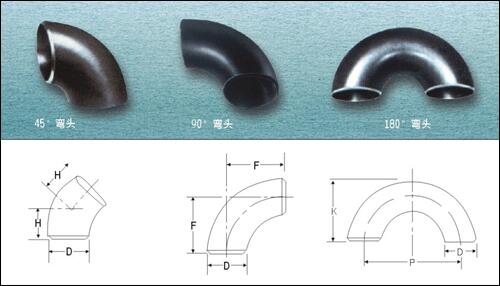
Elbow fitting selection starts with the design conditions of the line, not the shape of the fitting. Check the following before ordering elbow fittings:
Pipe size: The elbow must match the diameter and wall thickness of the connected pipe, otherwise fit-up and welding problems follow.
Pressure rating: Choose the wall thickness and material to cover the design pressure of the line, including any margin the project specification requires.
Material: Base it on the medium, the corrosion conditions and the pipe it connects to. Mixing materials can cause compatibility and welding issues.
Connection method: Butt-weld, socket-weld, threaded or flanged connections should follow the existing piping system and site conditions.
Bend angle and radius: Both should follow the pipe layout and the pressure loss the line can accept.
Temperature: Operating temperature affects material strength and thermal expansion, so confirm the material suits the full temperature range.
Space limitations: The room around equipment and supports can limit the radius and connection method you can use.
Giving suppliers these details up front helps avoid quotation errors and mismatched specifications.
Pipe fittings elbow have many advantages in their wide application, such as superior pressure resistance, easy installation, and flexible prices. However, they also have some disadvantages, such as large price differences and difficulty in production. When selecting an elbow, factors such as the angle of the elbow, hydraulic loss, flow rate, etc. should be considered according to the specific situation to ensure the normal operation of the pipeline.
Read more: Carbon Steel Pipe Fittings VS. Stainless Steel Pipe Fittings
